
Can a Small Leak Really Ruin Your Roof? Here’s What You Need to Know
When most homeowners think of roof damage, they imagine huge holes or missing shingles after a storm. But the truth is, even a tiny leak can turn into a major problem if it’s ignored. Over time, what starts as a minor issue can lead to costly repairs, structural damage, and even full roof replacement. Understanding how small leaks affect your roof can save you thousands of dollars on repairs and protect your home.
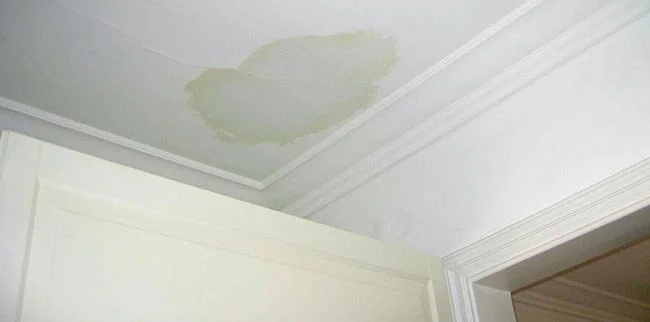
How Small Leaks Spread Damage
A small leak often starts in a seemingly harmless spot, a missing shingle, a crack in flashing, or worn-out underlayment. But water does not stay put. Over time, it can seep into the roof decking and framing, weakening the wood and causing it to rot. Also, a leak can seep into insulation, which will lose its ability to regulate temperature and ultimately increase energy cost. Some common signs of hidden leaks in interior walls and ceilings include water stains, peeling paint, or sagging drywall. Even a minor drip can travel along beams and seams, affecting areas far from the original leak. Once water gets past the shingles, it can reach the underlayment and the wooden decking beneath your roof. At that point, the problem can start spreading far beyond the original leak.
Water Doesn’t Stay in One Place
One of the biggest misconceptions homeowners have about roof leaks is that water will drip straight down from the source. Water often travels along roof decking, rafters, and insulation before becoming visible inside your home. Because of this, the water stain you see on your ceiling may not actually be directly under the leak. This can allow the problem to go unnoticed for a long time while water slowly damages other areas of your roof and attic.
Structural Damage Over Time
When moisture repeatedly enters your roof system, it can weaken the structural components of your home. The wooden decking that supports your shingles can begin to rot, and rafters or framing can weaken over time from prolonged exposure to moisture.
If the damage continues unchecked, sections of the roof may begin to sag. In severe cases, structural damage can become significant enough to require major repairs or even a full roof replacement.
Mold, Mildew, and Structural Concerns
Most environments are ideal for mold and mildew growth, which can spread rapidly and pose health hazards. Additionally, prolonged water exposure can weaken your roof’s structural integrity, causing sagging, damaged rafters, or even partial collapse in severe cases.
Why Early Repair Matters
The cost difference between fixing a small leak and replacing an entire roof is huge. Catching leaks early will prevent structural damage and stop mold growth before it spreads. Early repairs extend the lifespan of your roof and save money on insurance claims and repairs. Ignoring a small leak today could mean a full roof replacement tomorrow. Addressing leaks early helps extend your roof's lifespan and protects the rest of your home from water damage. What might only require simple repair today could turn into a much larger and more expensive project if ignored.
Signs You Might Have a Small Leak
Even small leaks can leave subtle clues. It is important to watch for water stains or discoloration on ceilings or walls and sagging or soft spots in the roof or attic floor. You should also watch out for damp insulation or musty odors in your attic. Finally, missing, cracked, or curling shingles.
Protect Your Home with a Roof Inspection
If you suspect a roof leak or have noticed water stains, damp attic insulation, or missing shingles, it’s best to have your roof inspected as soon as possible. Catching the problem early can prevent major repairs and give you peace of mind that your home is protected.
If you’re concerned about possible roof damage, scheduling a professional roof inspection is the best first step. A trained roofing expert can identify the source of the leak and recommend the right solution before the problem gets worse.