

Proud to Serve Your Neighborhood
A special offer from Summit Roofing for local homeowners.
$500 Off a Complete Roof Replacement

Schedule Now!
New Roof Replacement Before vs. After
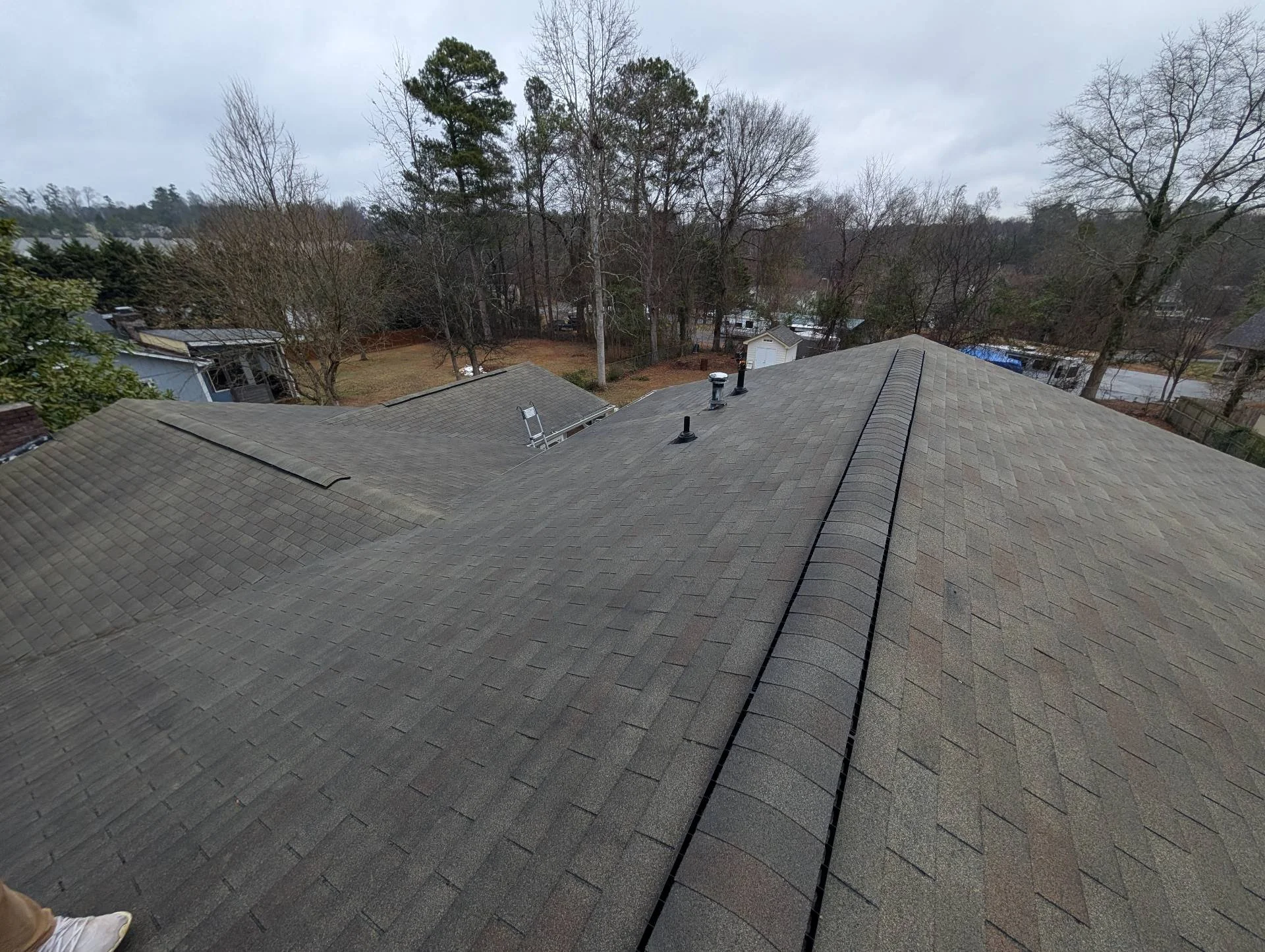
Before
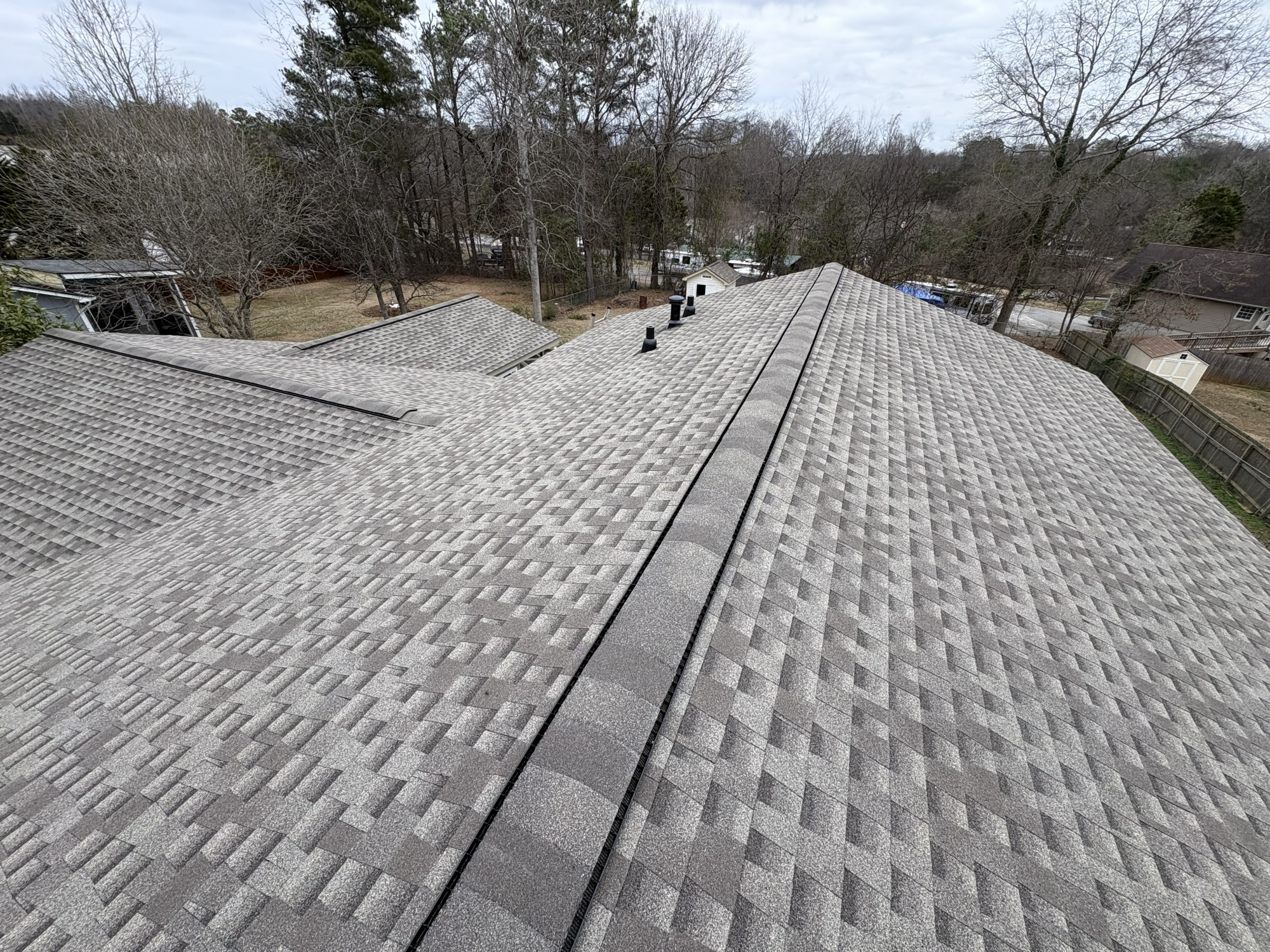
After
Hear It from Our Clients
At Summit Roofing, we pride ourselves on exceeding expectations. But don't just take our word for it—listen to our clients!
Maintenance of Your Roof for Longevity and Performance
After you replace the roof, maintaining its condition is crucial to ensure it provides lasting protection and retains its aesthetic appeal. Regular maintenance not only extends the life of your roof but also helps in identifying potential issues before they escalate into major problems. Here are key maintenance tips for your new roof:
Regular Inspections
Schedule annual or bi-annual inspections with a professional roofing contractor to assess the roof's condition. These inspections can identify minor issues like missing shingles, damaged flashing, or early signs of wear and tear.
2. Clean Gutters and Downspouts
Ensure gutters and downspouts are free from debris to prevent water buildup, which can lead to water damage to the roof and the home's structure.
3. Trim Overhanging Branches
Trees near your home can pose a risk during storms, with branches potentially damaging the roof. Regularly trimming these branches can reduce the risk of physical damage.
4. Monitor for Leaks
Keep an eye out for signs of leaks inside your home, such as water stains on ceilings or walls. Early detection of leaks can prevent more extensive water damage.
5. Address Repairs Promptly
Address Repairs Promptly: If an inspection uncovers any damage or wear, it's important to address these issues promptly. Delaying repairs can lead to more significant problems and costly repairs down
6. Maintain Roof Ventilation
Proper roof ventilation is essential for preventing moisture buildup and ensuring the longevity of your roof. Check that vents are clear and functioning correctly, and consider adding ventilation if necessary to maintain a healthy roof environment.
Roof Warranty and Insurance
Understanding the difference between roof warranty and insurance coverage is essential when considering a roof replacement. Here's a breakdown of what each typically covers:
-
Manufacturer's Warranty: This warranty covers defects in the roofing materials themselves. For example, if the shingles deteriorate prematurely due to a manufacturing defect, the manufacturer will cover the cost of replacement materials. These warranties can vary in length but often range from 20 to 50 years.
Workmanship Warranty: This warranty covers installation-related issues. If your roof develops problems due to improper installation, this warranty ensures that the contractor will fix these issues at no additional cost to you. Workmanship warranties typically last for a period specified by the contractor, often between 5 to 10 years.
-
Damage from Natural Disasters: Homeowner’s insurance policies generally cover roof damage caused by natural events such as hailstorms, wind, fire, or other severe weather conditions. If a tree falls on your roof during a storm, for instance, your insurance would cover the cost of repairs or replacement.
Unexpected Events: Insurance also covers damage from unexpected events like vandalism or accidents. For instance, if debris falls and damages your roof, this would likely be covered.
-
Home Warranty Policies: These are optional service contracts that cover the repair or replacement of home systems and appliances, including roofs. A home warranty might cover roof leaks and other minor issues not related to the overall roof structure or materials.
-
Coverage Variation: The extent of coverage for both warranties and insurance can vary. Manufacturer warranties might have specific conditions and exclusions, such as the necessity for regular maintenance or specific weather conditions that are not covered.
Insurance Deductibles and Limits: Homeowner's insurance policies often come with deductibles that must be paid out-of-pocket before coverage kicks in. There may also be limits to how much the insurance company will pay for roof repairs or replacements.
Exclusions: It’s important to read the fine print. Some warranties might not cover damage from certain conditions, and insurance policies might exclude coverage for wear and tear or poor maintenance.
-
Check Your Policy: Always review your homeowner's insurance policy and any roof warranties carefully to understand what is covered and what isn’t.
Regular Maintenance: Regular maintenance and inspections are often required to keep warranties valid and ensure insurance claims are successful.
Document Everything: Keep detailed records of any roof work, including inspections, maintenance, and repairs. This documentation can be crucial when making warranty claims or insurance claims.
Need more information on roof warranty and insurance?
You can schedule a free roof inspection and get a detailed assessment from our expert team.
Have questions about your roof warranty or insurance coverage?
Our knowledgeable team is here to help. Call us at 770-545-5244 or email us at info@summitroofingga.com.
Make sure your roof investment is protected with Summit Roofing. Let us guide you through understanding and maximizing your warranty and insurance benefits.
FAQs
-
Signs include frequent leaks, noticeable sagging, missing or damaged shingles, and visible light through attic spaces. If your roof is over 20 years old, it might also be time for an evaluation and repair.
-
HomeAdvisor reports that the average cost of replacing an old roof is between $5,000 and $10,000. Most roofers charge between $350 - $500 per square, and a standard roof can be anywhere from 1,700 to 3,000 square feet. Roof replacement costs can vary based on factors such as material, size, and labor.
-
A roof replacement involves completely removing the old roofing materials and installing new ones. Reroofing, or overlaying, involves placing a new layer of shingles over the existing roof, which can only be done once and is suitable when the underlying roof is in good condition.
-
Yes, modern roofing materials and systems are designed to improve your home's insulation and reflectivity, leading to more efficient heating and cooling, and consequently, lower energy bills.
-
For commercial roofing, we offer a variety of durable solutions, including flat roof systems like TPO and modified bitumen, as well as metal roofing options that suit different business needs and building codes in Atlanta.
-
The timeline varies based on the roof size, material selected, and weather conditions. Most residential roofs can be replaced within a few days, while commercial projects may take longer. We ensure minimal disruption and efficient project completion.
-
If you notice a leak in your roofing system, please contact us immediately. Early detection and repair are key to preventing further damage. Our team is equipped to swiftly address any leaks or issues, ensuring the integrity and longevity of your roof.
-
Regular gutter cleaning to remove debris and installing gutter guards can prevent blockages and water buildup, protecting your roof and the structural integrity of your home.