
A Homeowner’s Guide: What to Ask Before Replacing Your Siding
Thinking about replacing your side? Many homeowners across the Metro Atlanta area start the process with the same questions: Do I need to fully replace my house’s siding? What should a quote include? How do I avoid hiring the wrong contractor?
Siding replacement is a big investment, and asking the right questions upfront can save you thousands. Here is what to know before getting a quote.
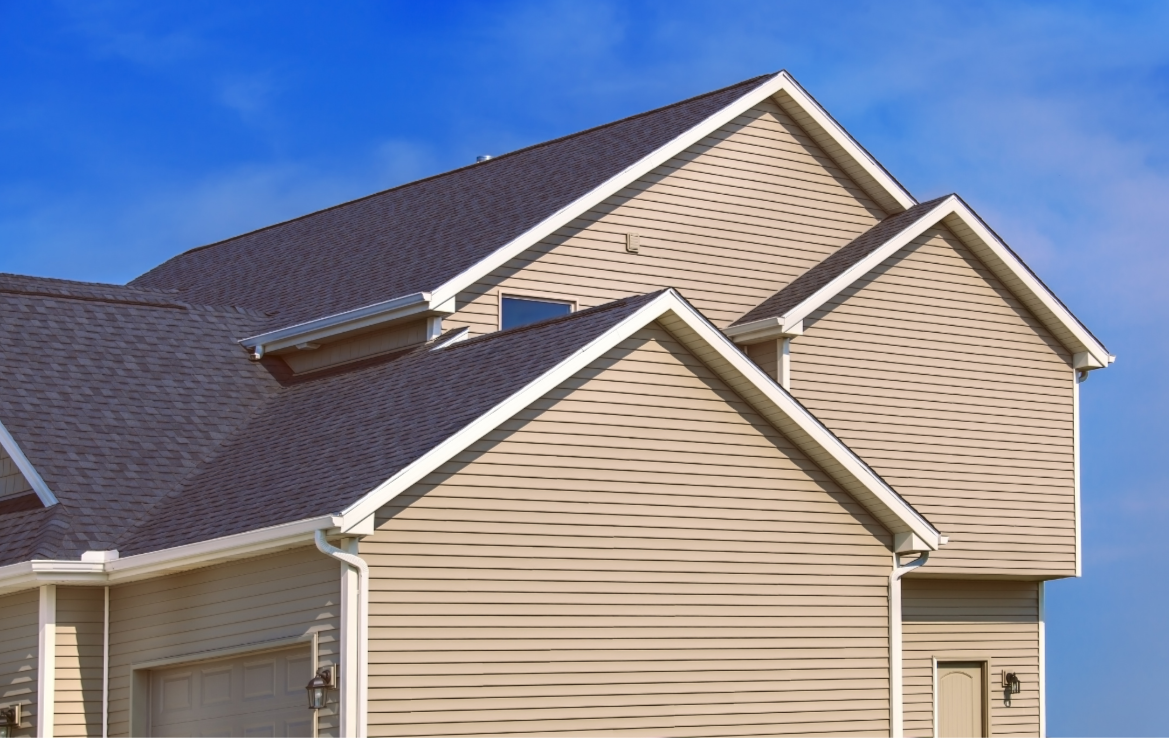
Do I need Siding Replacement or Just Repairs?
One of the most common concerns homeowners have is whether they need a full replacement. You may need new siding if you notice wrapping, cracking, or bubbling on your home’s siding. Additionally, you may need a replacement if there are soft spots, rot, or moisture inside your walls. Typically, if exterior siding is 20 years or older, it might be time to replace it and get it checked out by a professional. If the damage is limited to one area, repairs may be enough, but underlying issues like water damage often mean replacement is the better long-term solution. A professional inspection is the best way to know for sure.
What Should be Included in a Siding Quote?
Not all quotes are created equally. A lower price might look appealing, but it often means something important is missing. Make sure your siding professional includes all of these in your quote: removal and disposal of old siding, house wrap or moisture barrier, and flashing around the windows and doors. Additionally, the quote should include what materials they will be using, and cleanup and site protection. It’s usually a red flag if a quote is vague and lacks details.
How Should Siding Be Properly Installed?
Installation matters just as much as the material itself. A proper siding job should include a weather-resistant barrier and correct flashing to prevent leaks. Finally, proper sealing and ventilation. Skipping these steps can lead to mold, water damage, and higher energy bills. Unfortunately, many homeowners only discover these issues after the job is done.
What Can Go Wrong During a Siding Project?
While most siding projects go smoothly, there are common issues homeowners should be aware of. The first one is unexpected damage found beneath existing sides. Another can be poor cleanup or leftover debris around the property or delays due to weather or materials availability. Finally, improper installation can lead to moisture problems. Working with experience and transparent contractor helps prevent these issues and ensures your home is protected throughout the process.
What Questions Should I Ask My Contractor?
Hiring the right contractor is the most important part of the process.
Be sure to ask:
1. Are you licensed and insured?
2. What is included in this quote?
3. Do you offer a workmanship warranty?
4. Will there be an on-site manager?
5. Additionally, make sure to look up customer testimonials and online reviews.
Proper planning and contractor vetting are critical steps in avoiding unexpected costs and ensuring a successful project outcome.
Siding Materials and Performance Considerations
Information regarding siding materials is derived from manufacturers' guidelines and contractor expertise. Different materials offer varying benefits depending on the home and environment. Vinyl siding is valued for its affordability and low maintenance. Fiber cement provides enhanced durability and performs well in humid climates like Georgia. Wood siding offers a traditional appearance but requires more ongoing maintenance. Selecting the right material should be based on factors such as climate conditions, budget, and long-term performance expectations.
How Long Does Siding Replacement Take?
Most siding replacement projects take place anywhere from a few days to one week, depending on the size of the home, the type of siding being installed, and weather conditions. A professional contractor will provide a clear timeline and updates throughout the project.
Replacing your siding is not just about improving your home’s appearance; it's about protecting it from water damage, energy loss, and long-term structural issues. Remember to ask the right questions, research different companies in the area, and choose a contractor you can trust.