
How Poor Attic Ventilation Affects Your Home’s Temperature and Energy Bills in Georgia
If your home feels hotter than it should be in the spring and summer, your attic ventilation could be the problem. Many homeowners in the Metro Atlanta area focus on their air conditioning system when temperatures rise, but what’s happening above your ceiling plays a major role in how comfortable your home stays. Proper attic ventilation is sometimes overlooked in an inspection, but it is one of the most important factors in regulating indoor temperature and keeping energy costs under control.
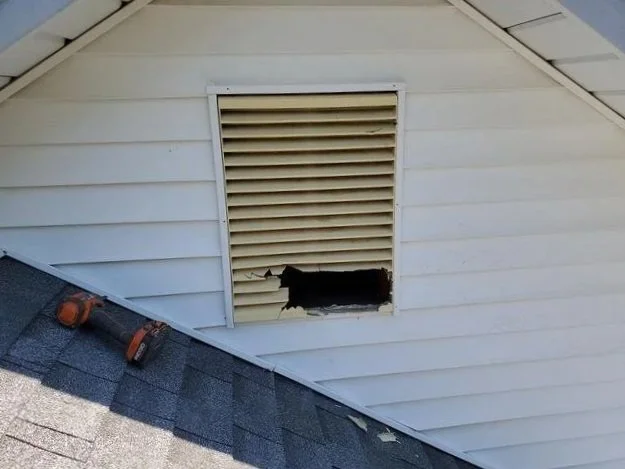
What Does Attic Ventilation Do?
Attic ventilation allows air flow in and out of your attic space using a system of intake vents and exhaust vents. This continuous airflow prevents heat from becoming trapped inside your attic. Without proper ventilation, your attic essentially turns into a heat trap during the summer months. When ventilation is working correctly, hot air is allowed to escape while cooler outside air is drawn in, helping regulate attic temperatures year-round.
How Poor Ventilation Makes Your Home Hotter
In Georgia’s climate, your roof absorbs a significant amount of heat from the sun throughout the day. When that heat has nowhere to go, attic temperatures can climb to 130-150°F or higher. That trapped heat does not stay in the attic; it radiates downward into your home. This can lead to hotter indoor temperatures, especially on upper floors. Also, your AC system will run longer and more frequently, subsequently increasing your monthly energy bills. A well-ventilated attic helps prevent both heat buildup and moisture issues, protecting your home from long-term damage.
Signs Your Attic May Not Be Properly Vented
Not sure if your attic ventilation is doing its job? Here are a few common warning signs:
1. Insulation feels damp, which reduces its effectiveness
2. Visible mold or mildew on rafters or insulation
3. Shingles curling, cracking, or wearing out prematurely.
4. Your energy bill spikes during the summer
5. Your AC struggles to keep up during peak hours.
If you are experiencing any of these, it may be time to have your attic inspected by a roofing professional.
The Energy Efficiency Impact
When your attic is overheated, your home becomes harder to cool efficiently. Even a well-functioning air conditioner will struggle if it is constantly fighting against trapped attic heat. Proper ventilation helps keep attic temperatures closer to the outdoor temperature, reducing the strain on your HVAC system. This improves overall energy efficiency, lowers utility costs, and helps your cooling system last longer.
The Importance of a Balanced Ventilation System
Effective attic ventilation isn’t just about adding more vents; it's about achieving the right balance of intake and exhaust. Without proper balance, airflow can become restricted, making ventilation ineffective. A professional inspection can determine whether your current system is properly designed or needs improvement.
Moisture Problems You May Not See
Attic ventilation is not just about heat; it also controls moisture. Without proper airflow, humidity can become trapped in your attic space. Over time, this can lead to mold growth, mildew, wood rot, and damaged insulation. Moisture buildup can also reduce the effectiveness of insulation, making your home even harder to keep comfortable in both summer and winter.
A properly ventilated attic is extremely important for your home. It reduces heat buildup, controls moisture, and supports overall energy efficiency. Without it, your home can slowly become less comfortable and more expensive to maintain. In many cases, homeowners assume they need a new HVAC system when the real issue is poor attic ventilation working against it.