
How Do I Know If I Need a New Roof or Just a Repair?
Not every roofing problem means you need a completely new roof. In fact, one of the most important questions to answer before replacing a roof is whether the problem can be fixed with a repair. Sometimes a few damaged shingles, flashing problems, or a localized leak can be repaired without replacing the entire roof. In other cases, the roof may be approaching the end of its useful life, and a replacement may make more sense.
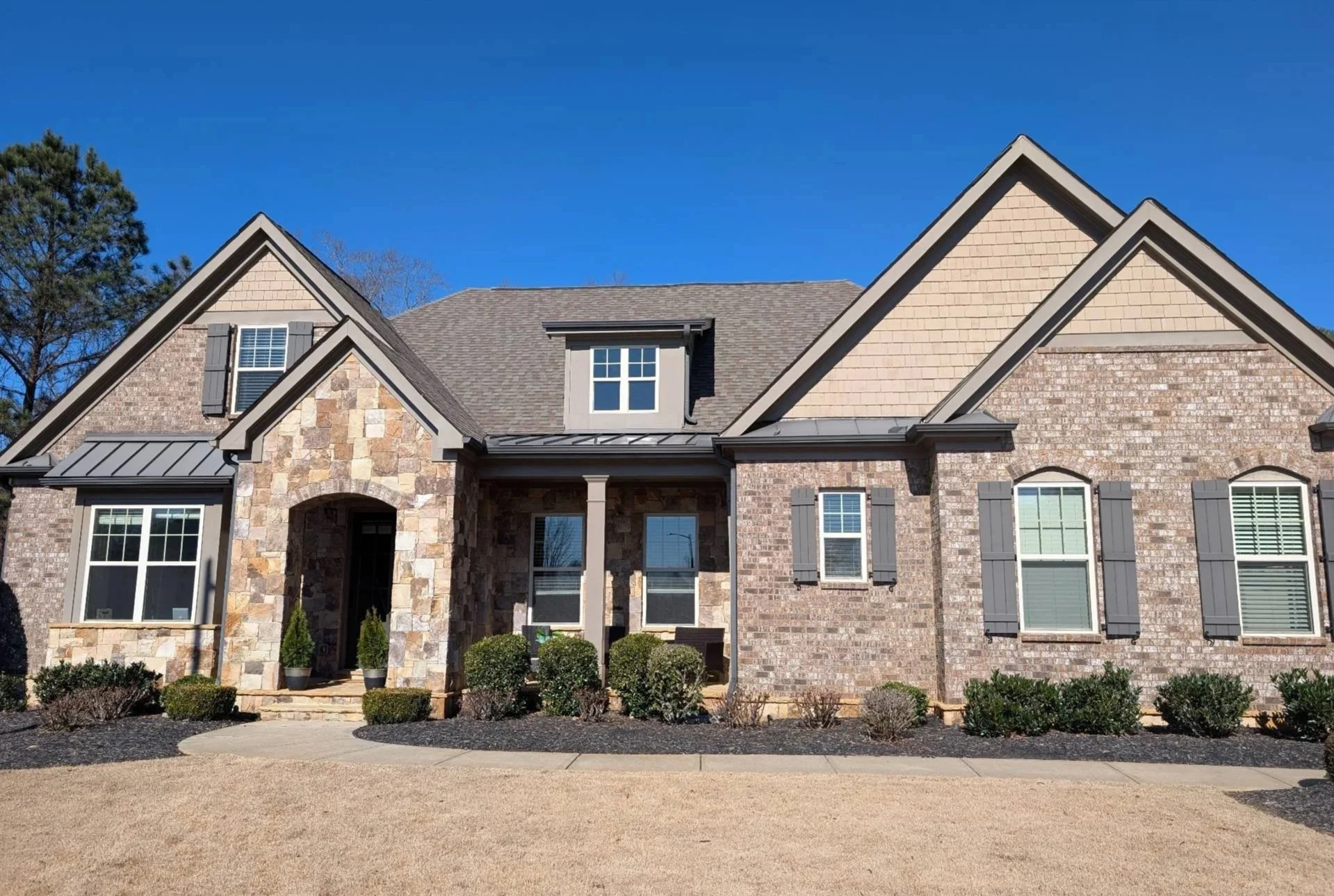
Signs You May Need a Roof Replacement
Some common warning signs include:
Widespread shingle damage
Curling or deteriorating shingles
Multiple areas of leaking
Significant loss of granules
Repeated repairs
Sagging areas
An aging roof
Extensive storm damage
The age of your roof is also important, but age alone doesn't necessarily mean you need a replacement.
When Can a Roof Be Repaired?
A repair may make sense when the damage is limited to a specific area.
For example, a roofing contractor may be able to repair:
A small leak
A few damaged shingles
Flashing
Pipe boots
A localized area of storm damage
The condition of the rest of the roof is what helps determine whether a repair is a reasonable solution.
Why an Inspection Matters
It can be difficult to determine the condition of a roof from the ground. A professional inspection can identify visible problems and help determine whether the issue appears to be isolated or part of a larger roofing problem. At Summit Roofing, we inspect the roof and attic and explain what we find. If you need a repair, we'll tell you. If you need a replacement, we'll explain why.
Need Help Deciding?
Schedule a free roof inspection with Summit Roofing and get an honest recommendation about the next step for your home.
What Is Included in a New Roof Installation?
A properly installed roof is actually a complete system made up of several components. Understanding what goes into the installation can help you compare roofing estimates and know what you're paying for.
Removing the Existing Roofing
For a full roof replacement, the existing roofing materials may be removed before the new system is installed. This allows the contractor to inspect the roof deck instead of simply covering potential problems.
Inspecting the Roof Deck
The decking underneath the shingles provides the foundation for the roofing system. If sections have been damaged by moisture or other problems, they may need to be replaced before the new roofing materials are installed.
Underlayment
Underlayment is installed beneath the shingles and provides an additional layer of protection against water intrusion.
Drip Edge
Drip edge helps direct water away from the roof edge and into the gutter system.
It is an important part of properly managing water at the edge of the roof.
Flashing
Flashing helps protect areas where the roof meets another surface or where something penetrates the roofing system.
This can include areas around:
Chimneys
Walls
Skylights
Valleys
Plumbing vents
Shingles
The shingles provide the primary weather-resistant outer layer of the roof.
Homeowners can choose from different shingle styles, colors, and performance levels depending on their goals and budget.
Ventilation
Proper attic ventilation is another important part of a roofing system.
Your roofing contractor should evaluate the existing ventilation and determine whether it is appropriate for the roof.
Cleanup
A professional roof installation should also include cleanup of the work area and a final inspection of the completed project.
Ask What Your Roofing Estimate Includes.
When comparing estimates, don't just compare the final dollar amount. Ask what is included in the installation. At Summit Roofing, we want homeowners to understand what they're getting before work begins. We'll walk you through the proposed roofing system, materials, and work involved.
Thinking About Replacing Your Roof?
Schedule a free roof inspection with Summit Roofing. Our goal is to educate you as a homeowner on what your home needs so you are well informed to make the best decision for your home.