
Metro Atlanta Fall Roof Maintenance Program
Fall is a great time to take a closer look at your roof before another season of rain, wind, falling leaves, and changing weather. Summit Roofing’s Fall Roof Maintenance Program helps Metro Atlanta homeowners identify potential roofing problems early and keep their roof, gutters, and attic in good condition. Our process starts with a thorough inspection of your roof and attic. We’ll look for areas that may need attention, explain what we find, and give you an honest recommendation based on the condition of your home.
Schedule your free fall roof inspection!
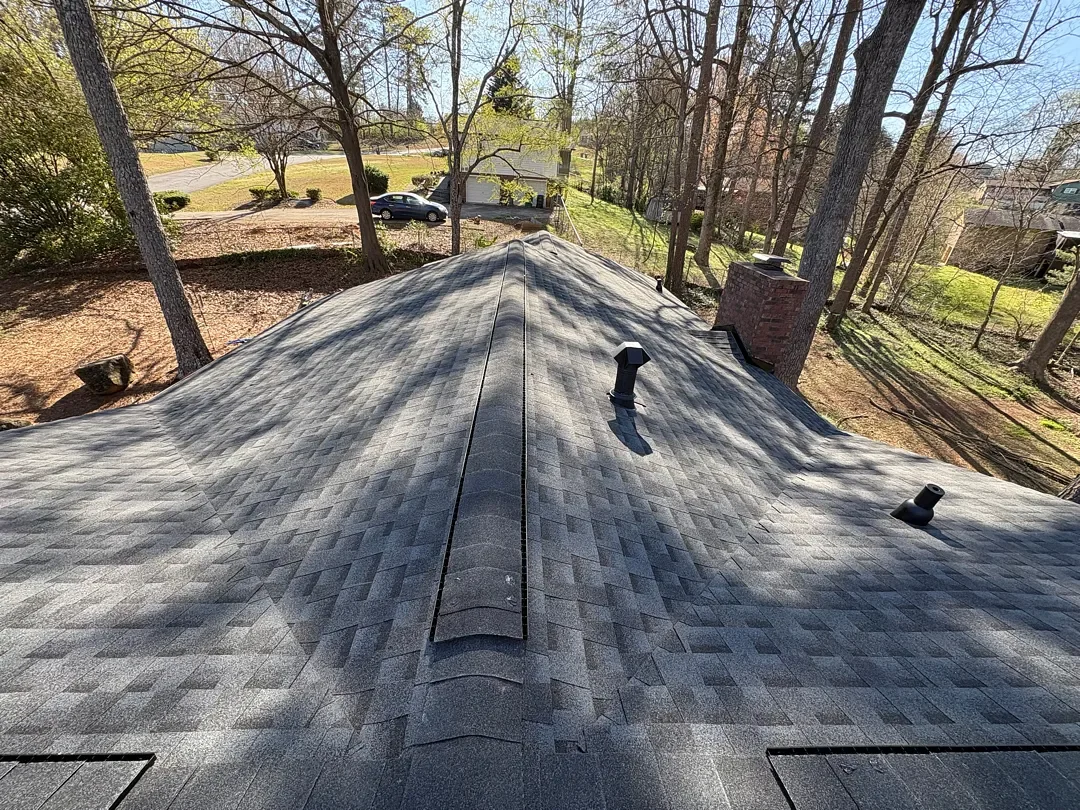
What Does a Fall Roof Maintenance Inspection Include?
Your roof is more than just shingles. During a fall maintenance inspection, Summit Roofing looks at the components that work together to protect your home.
Roof & Shingle Inspection
We look for signs of wear and damage, including:
Missing or damaged shingles
Cracked, curling, or deteriorating shingles
Excessive granule loss
Signs of summer storm damage
Moisture intrusion
Exposed or damaged roofing materials
Flashing & Roof Penetrations
We also inspect areas where your roof meets other structures and materials, including chimneys, skylights, pipe boots, vents, and flashing. These areas can become potential entry points for water when materials deteriorate or are no longer properly sealed.
Gutters & Drainage
Fall leaves and debris can interfere with your home's drainage system. We check gutters, downspouts, roof valleys, and other areas where debris or drainage problems could prevent water from moving properly away from your home.
Attic Inspection
Your attic can provide important clues about the condition of your roof. We look for water staining, moisture, signs of previous leaks, roof deck concerns, and ventilation issues. At Summit Roofing, we believe a roof inspection shouldn't stop at the shingles. Looking at the attic can provide a more complete picture of what's happening with your roofing system.
Roof Cleaning
If your roof has accumulated leaves, pine needles, organic growth, or other debris, we can determine whether roof cleaning or additional maintenance is appropriate for your roof and its materials.
Why Schedule Roof Maintenance in the Fall?
Metro Atlanta roofs go through a lot during the summer. Heat, UV exposure, thunderstorms, heavy rain, wind, and falling branches can all contribute to roof wear. Fall provides an opportunity to identify potential problems before they become larger issues.
A fall inspection can help identify:
Small problems before they become larger repairs
Storm damage that may have gone unnoticed
Blocked or damaged drainage areas
Deteriorated flashing or roof penetrations
Potential sources of leaks
Attic moisture or ventilation concerns
The goal isn't to recommend work simply because you scheduled an inspection. Our goal is to understand your roof's condition and tell you what your home actually needs.
What Can a Roof Maintenance Plan Include?
Every roof is different, so maintenance shouldn't be one-size-fits-all. Depending on your roof's condition, maintenance may include:
Routine roof inspections
Roof cleaning
Gutter and drainage checks
Minor roof repairs
Flashing and skylight inspections
Pipe boot and vent inspections
Soffit and fascia inspection
Attic and ventilation evaluation
Storm-damage checks
Documentation and photographs
Recommendations for future maintenance
If your roof is in good condition, we'll tell you. If we find a repair that should be addressed, we'll explain what we found and why it matters. If your roof is approaching the end of its service life, we'll explain your options so you can make an informed decision.
Do You Need Fall Roof Maintenance?
Consider scheduling a roof inspection if:
Your roof is several years old
You haven't had your roof inspected recently
Your home experienced a recent storm
You notice missing or damaged shingles
Leaves or debris are accumulating on your roof
Your gutters frequently clog
You've noticed water stains in your attic or ceilings
You see moss or algae growth
Parts of your roof look worn or deteriorated
You simply want to know what condition your roof is in
You don't have to wait until you have a leak to have your roof inspected.
How Often Should a Roof Be Inspected?
The appropriate inspection schedule depends on the age, condition, and type of roof, as well as its exposure to weather. Many homeowners choose to have their roof inspected annually and after significant storms. Preventative maintenance can help identify conditions that may contribute to leaks before they become larger problems. However, no maintenance program can guarantee that a roof will never leak, particularly after severe weather or as roofing materials age. At Summit Roofing, we believe homeowners deserve to understand the condition of their roof before making a decision about repairs or replacement.
We'll inspect your roof and attic, document what we find, explain any areas of concern, and provide our recommendation for the next appropriate step. If your roof doesn't need work, we'll tell you. If something needs attention, we'll explain what we found and help you understand your options.
Schedule Your Free Fall Roof Inspection Don't wait until a small roofing problem becomes a major one.
Let Summit Roofing inspect your roof and attic and give you an honest recommendation based on your home's condition.