
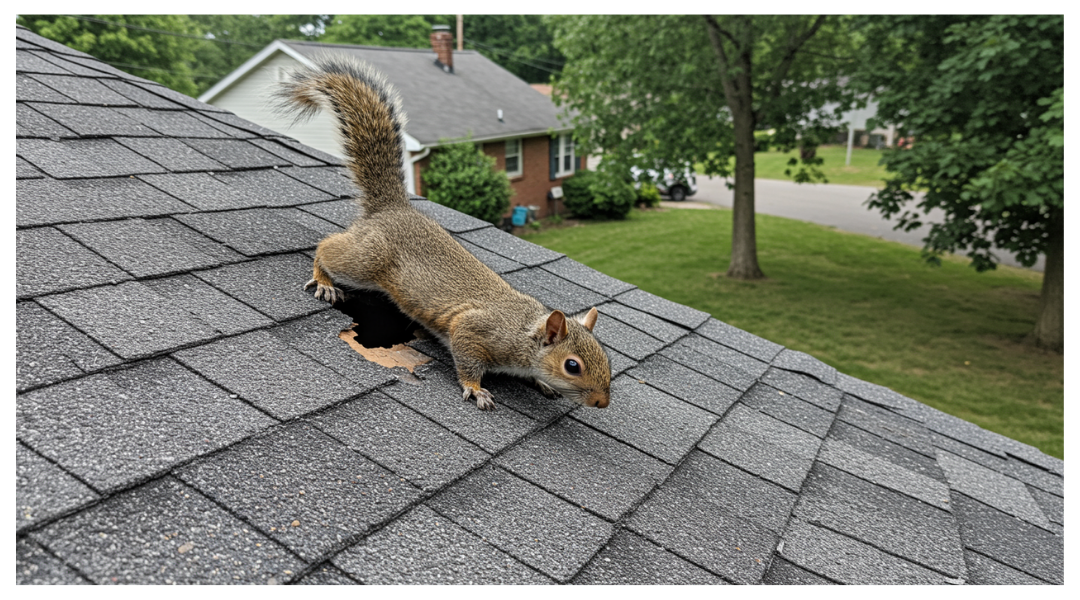
If you have ever had unwanted animals in your attic, you know it's more than just inconvenient; these rodents can cause serious damage to your roof, insulation, wiring, and your home's structure. These problems occur more frequently during colder months, when rodents seek a safe place to nest and stay warm.
During our thorough roof inspections at Summit Roofing, we often help uncover homeowners' roofing issues that are caused by animal damage. The good news is that with the right preventative steps, you can secure your roof before wildlife makes its way to your attic and causes more expensive damage.
How Animals Target Your Roof and Attic
Your attic provides rodents shelter, warmth, and protection from predators, making your attic an ideal home for wildlife. Some ways animals are typically able to gain access are through loose or missing shingles in your roof. Other ways are because you have damaged soffits or fascia boards, or roofline gaps. Additionally, through uncovered vents or chimneys, and because of aging roofing material that creates openings. Once these animals are inside, they can chew through wood, insulation, and wiring. This will increase the risk of having a costly repair and can even cause fire hazards.
Common Signs Animals May Be in Your Attic
If you are not sure whether animals have already made their way inside, there are a few warning signs to look out for. One sign to look out for is scratching, scurrying, or thumping noises. Additionally, be alert to unpleasant odors coming from your attic, which can possibly be animal droppings. Torn insulation or debris near your attic access points could be another sign of animals in your attic. Finally, any visible damage around vents or roof edges.
How to Tell If an Animal Caused a Hole in Your Roof
Not all roof damage is caused by storms or aging materials. In many cases, wildlife is the culprit of damage. Rodents often create or expand openings in many areas. Animals like squirrels, raccoons, and rodents have strong teeth and claws. If you see jagged edges, bite marks, or shredded shingles around a hole on your roof is an indicator that there was animal activity.
Most animals enter roofs at weak points, such as holes caused by animals, which are commonly found near roof edges and eaves and around attic vents or exhaust pipes. Additionally, other weak points are along soffits, fascia boards, and at roof-to-wall intersections. Wildlife intrusion is very likely if damage is concentrated in these areas.
Another sign of animals on your roof is if there is nesting material or debris around the opening. Wildlife will often drag nesting materials through the hole, leaving visible debris on the roof or in the attic.
If the problem is not fixed quickly, animals tend to return to the same access point, which can cause damage. If a small hole keeps getting larger over time, or repairs seem to fail repeatedly, an animal may still be accessing your roof. It’s important to note that weather-related damage typically does not worsen this way.
How to Secure Your Roof and Prevent Animal Intrusion
1. Schedule a Roof Inspection
A professional roof inspection is the most effective way to get ahead of the problem and prevent animal entry. A trained roofer can identify these small openings, like shifted shingles or deteriorating flashing, before animals exploit them and make the openings bigger.
2. Repair Damaged Shingles and Flashing
Lose or broken shingles will create easy access for animals. Flashing around chimneys, skylights, and vents should also be secure and properly sealed. Scheduling repairs with a licensed and insured roofer will reduce the chances of wildlife squeezing their way inside.
3. Install Animal-Proof Vent Covers
Roof vents are necessary for proper airflow, but they are also a common entry point for birds and rodents. Installing high-quality, animal-resistant vent covers allows ventilation while keeping pests out.
4. Seal Roofline Gaps and Openings
Small gaps around roof intersections and edges may seem harmless, but animals can squeeze through these surprisingly tight spaces. Proper sealing and professional-grade materials are crucial for long-term protection.
5. Trim Overhanging Tree Branches
Tree branches that hang over your roof act like highways for squirrels and raccoons. Trimming branches back at least 6-10 feet from your roof makes access much more difficult.
Why Professional Help is Important
DIY fixes can provide temporary fixes, but improper repair can cause problems to become worse or cause additional roof damage. Professional roofers understand how to secure your roof without compromising ventilation, drainage, or warranty coverage. Summit Roofing uses high-quality materials and expert techniques to protect your home while preserving the integrity of your roofing system.
Protect Your Home Before Damage Starts
These rodents are not going to leave on their own, and the longer they stay, the more damage they can cause. Securing your roof now by scheduling a professional roof inspection can prevent expensive repairs and health concerns from animal droppings.
If you suspect you have roof damage or hear animals in your attic, Summit Roofing is here to help. Contact us today for a free professional roof inspection to protect your home and your family.