
Buying a Home in Atlanta? Roofing Red Flags to Look for Before Closing
Buying a home is one of the biggest investments you’ll ever make, and while buyers often focus on layout, location, and interior upgrades, the roof is one of the most important and expensive parts of the home to evaluate before closing.
Roof issues aren’t always obvious during a walkthrough, but overlooking them can lead to costly repairs shortly after you move in. Knowing what roofing red flags to look for before closing can help you avoid surprises and negotiate repairs.
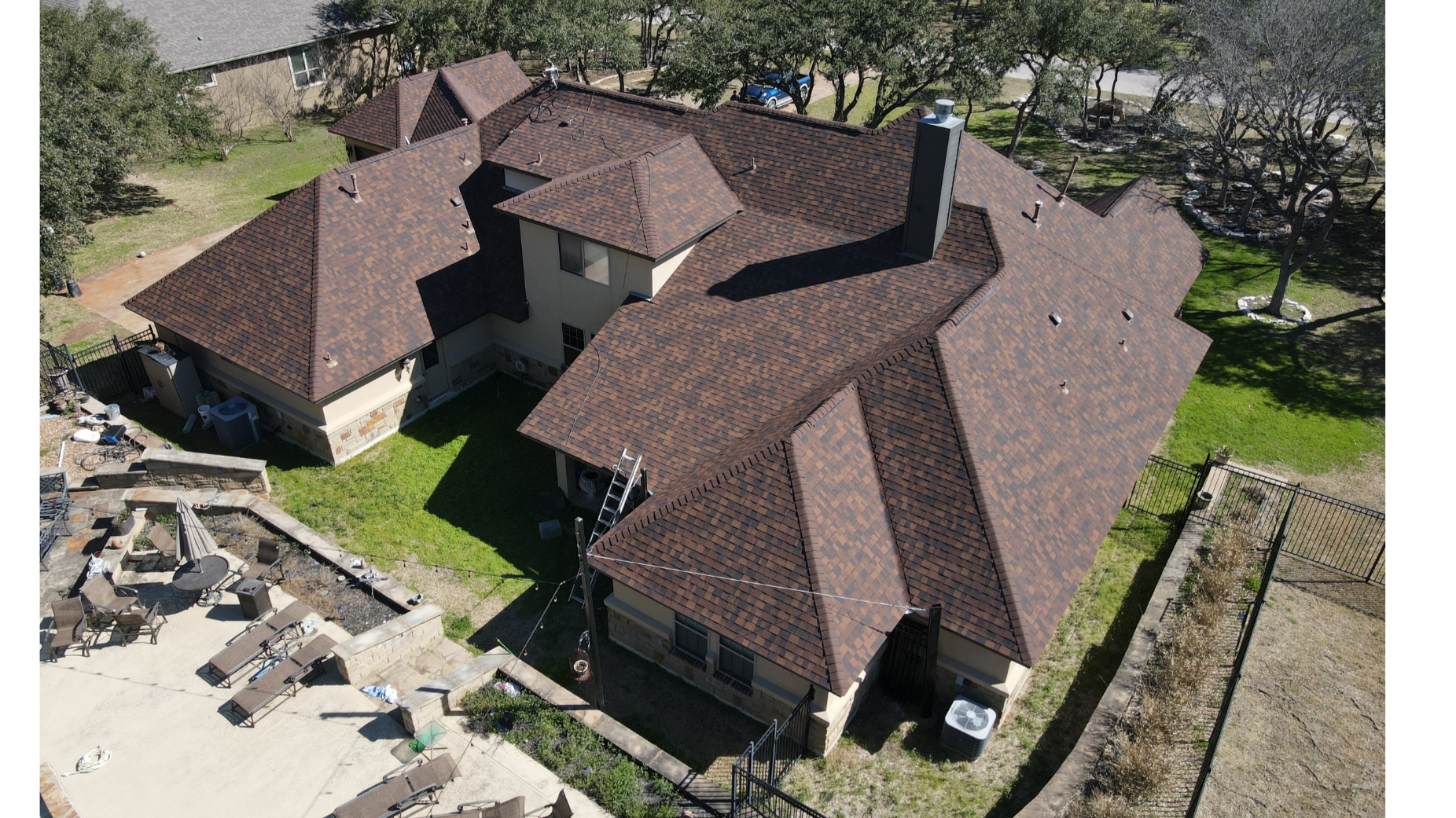
Why the Roof Matters More Than You Think
A roof protects everything beneath it: your home’s structure, insulation, loved ones, and belongings. Replacing a roof is a major expense, and many roofing problems aren’t fully covered by homeowners’ insurance if they’re due to age or poor installation.
That’s why identifying potential roofing concerns before closing is so important.
Roofing Red Flags Buyers Should Watch For
The Roof Is Near or Past Its Expected Lifespan
Most roofs have a limited lifespan depending on the materials:
Asphalt shingles' lifespan is about 15 to 30 years
The architectural shingles' lifespan is about 25 to 35 years
Metal roofing lifespan is 40+ years
If the seller can’t provide documentation showing the roof’s age, that’s a red flag. Even if the roof looks fine, an aging roof may need replacement sooner than expected. It's essential to request installation dates, warranties, and a history of past repairs.
Multiple Layers of Shingles
In some cases, new shingles are installed over old ones. While this can be allowed in certain situations, multiple layers can add excessive weight to your roof and hide underlying damage from the original shingles. Over time, this will shorten the lifespan of the new roof. If you notice uneven surfaces or sagging areas, it may indicate layered shingles, and future replacement costs could be higher.
Visible Shingle Damage or Inconsistencies
During exterior inspections, look for curling, cracked, or missing shingles. Another red flag is discoloration or patchy areas on the roof. Additionally, mismatched shingle colors can indicate signs of past repairs. These issues can indicate storm damage, poor ventilation, or improper installation.
Poor or Improper Flashing
Flashing protects vulnerable areas such as chimneys, skylights, and roof valleys. Common red flags include rusted or loose metal, heavy caulking instead of proper flashing, and gaps around vents or chimneys. Flashing failures are one of the most common causes of roof leaks, and these are often overlooked during basic inspections.
Signs of Past or Active Leaks Inside the Home
When completing a walkthrough of the home, keep an eye out for water stains on the ceiling or walls, which can indicate a roof leak that needs repair. Additionally, look out for peeling paint or bubbling drywall and musty odors in attic spaces.
Even if the leak appears to be repaired, it may indicate recurring roof issues or hidden damage.
Sagging Rooflines or Uneven Areas
A roofline should appear straight and even. Sagging areas can signal:
Structural issues
Moisture-damaged decking
Long-term water intrusion
These problems can be costly to fix and should always be evaluated by a professional.
Poor Attic Ventilation
Many roof problems typically start in the attic. There are a few warning signs to look out for when inspecting the attic during your tour:
Excessive heat buildup
Moisture or mold
Insufficient intake or exhaust vents
Improper ventilation can shorten roof lifespan, cause shingle failure, and increase energy costs.
How Roofing Issues Can Impact the Buying Process
If roofing problems are discovered before closing, buyers may be able to:
Request for repairs from the seller
Negotiate the purchase price
Ask for closing credits
Plan replacement costs in advance
Knowing the roof’s condition gives buyers leverage and clarity, rather than surprises after move-in.
Questions Buyers Should Ask the Seller About the Roof
Encourage buyers to ask these specific questions:
How old is the roof?
Was it installed by a licensed contractor?
Are there transferable warranties?
Has the roof had past leaks or repairs?
Has it been inspected after recent storms?
A seller who can provide documentation usually indicates a well-maintained roof.
Protect Your Investment Before You Close
Buying a home is exciting, but it is important to look beyond cosmetic upgrades. A roof in poor condition can turn a dream home into an unexpected financial burden. Taking the time to identify roofing red flags and getting a professional inspection when needed can save thousands of dollars and give you confidence in your purchase.
Schedule your free roof inspection with Summit Roofing today to gain clear, reliable insight into the condition of your future home.