
Why Atlanta’s Changing Temperatures Can Shorten Your Roof’s Lifespan
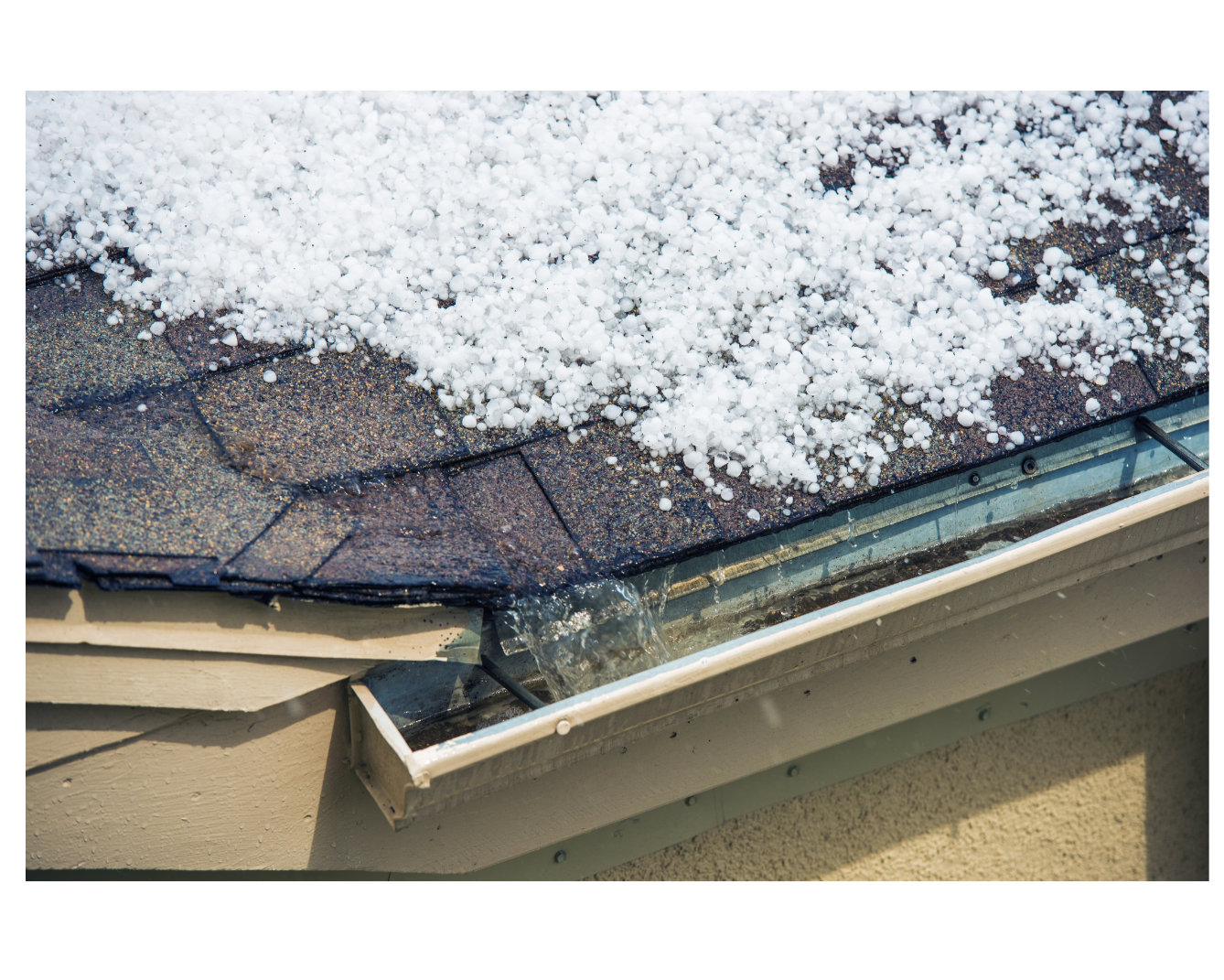
Gutter with ice dams from freezing temperatures.
If you've lived in Metro Atlanta for any amount of time, you know how unpredictable the weather can be. One day it's below freezing temperatures, and the next afternoon it feels like spring. While these rapid temperature changes can be frustrating for homeowners, they can be especially damaging to your roof.
Atlanta’s frequent temperature changes put constant stress on the materials on your roof, which can often lead to hidden damage that worsens over time. Understanding what causes this damage and what to look for can help you avoid a costly, premature roof replacement.
Unlike areas with consistently cold climates or warm climates, Metro Atlanta experiences sudden warm-ups after cold nights. Winter days can jump 25 to 30 degrees between days. Additionally, cold snaps are followed by heavy rain and high humidity throughout the whole year. These conditions create a cycle of expansion and contraction that roofing systems aren’t always designed to handle without proper maintenance.
How temperature swings damage roofing materials
Roofing materials like metal, asphalt shingles, and tiles naturally expand and contract with temperature changes. In Atlanta, this can happen all within the same day, and if this happens repeatedly, it can stress your roof.
Over time, this leads to:
Shingles expanding in the afternoon heat
Shingles shrinking overnight in colder temperatures
Nails loosening from constant movement
Sealants and flashing, cracking or separating
This damage often starts small and invisible, until water finds its way in.
Common Roof Problems Caused by Sudden Temperature Changes
Homeowners in Marietta and surrounding areas frequently experience:
· Cracked or curling shingles
· Lifted shingle edges that catch wind
· Failed flashing around chimneys and vents
· Leaks after rainstorms, which are common following a freeze
· Granule loss that shortens shingle lifespan
Once these issues start, Atlanta’s frequent rain and humidity can accelerate the damage.
Metal Roofs vs. Shingle Roofs in Atlanta’s Climate
Homeowners often ask whether certain roofing materials perform better in Georgia’s changing temperatures. The answer depends on the material quality and installation; there are some key differences. Asphalt shingle roofs are more affordable upfront cost, but they can become brittle after repeated temperature swings if the quality is not good. Additionally, sealant strips may fail sooner in fluctuating cold weather, which can cause premature repairs. Metal roofs do expand and contract more evenly during temperature swings. Metal roofs are less prone to cracking and are more resistant to moisture intrusion because the surface can shed water quickly, since it is non-porous, unlike asphalt shingles. Both options perform very well in Atlanta if there is proper installation, ventilation, and routine inspections are crucial, regardless of what type of roof your home has.
Why are Atlanta homes more vulnerable?
Several local factors make roofs in North Georgia more susceptible to temperature-related wear due to many different factors. Many homes have older roofing systems, and they are in areas with dense tree coverage that can trap moisture. Additionally, the metro Atlanta area tends to have high humidity, which can weaken roofing materials over time. Another factor that makes Atlanta homes more vulnerable to roof damage is the intense summer heat, which already stresses the durability of the shingles before winter arrives. When temperature swings occur, they can exacerbate existing wear on your roof, and small problems are likely to escalate quickly.
What warning signs should homeowners watch for?
Some red flags are easy to miss if you haven’t looked before.
1. Water stains on ceilings or walls
2. Drafts or uneven indoor temperatures
3. Shingle pieces or granules in
4. Loose flashing near roof penetrations
5. Shingles that appear shifted or uneven
It’s important to know that if you notice any of these signs, your roof may already be reacting to temperature stress, and it's time to schedule a roof inspection because a minor problem can turn into a major expense if left undetected.
How to Protect Your Roof from Atlanta’s Temperature Swings?
While you know we can't control the weather, you can reduce the impact temperature changes have on your roof.
1. Schedule a roof inspection if you notice any of the red flags previously mentioned. Professional inspections can catch issues early before extreme weather or heavy rain hits.
2. Maintaining proper attic ventilation can help prevent moisture issues and extend your roof's life.
3. Addressing small repairs promptly to avoid minor issues, such as loose flashing or damaged shingles, can prevent them from becoming major problems when temperatures fluctuate.
4. Choose climate-appropriate materials, roofing systems designed for heat, humidity, and temperature variation perform better long-term in Georgia.
Why Professional Roof Inspections Matter in Georgia?
Temperature-related roof damage often starts in places homeowners can’t see. A professional inspection can identify:
Early sealant or flashing failure
Fasteners backing out due to expansion and contraction
Weak areas vulnerable to storm damage
Moisture intrusion before leaks becomes visible
Early detection can extend your roof’s lifespan and prevent expensive repairs down the road.
Schedule a Free Roof Inspection with Summit Roofing
Atlanta’s sudden temperature swings don’t have to shorten your roof’s lifespan. Whether your roof is relatively new or nearing replacement age, a professional inspection provides clarity and peace of mind.
Summit Roofing proudly serves Marietta, Cobb County, and the greater Atlanta area.
Contact us today to schedule a free roof inspection and protect your home before the next major weather shift.
Call us at 770-545-5244 for a free estimate or book online!